




Il concetto è semplice: invece di estrarre nuove risorse dal pianeta, utilizziamo ciò che abbiamo già prodotto. Immaginate le reti da pesca abbandonate negli oceani, i vecchi tappeti o gli scarti di plastica.
Questi materiali, che normalmente inquinerebbero l’ambiente per secoli, oggi vengono trasformati.
Uno degli esempi più affascinanti è il nylon rigenerato. Attraverso un processo di pulizia e lavorazione, la plastica “sporca” torna a essere una materia prima purissima. Il risultato? Un filo di nylon identico a quello nuovo, ma con un impatto ambientale infinitamente minore.
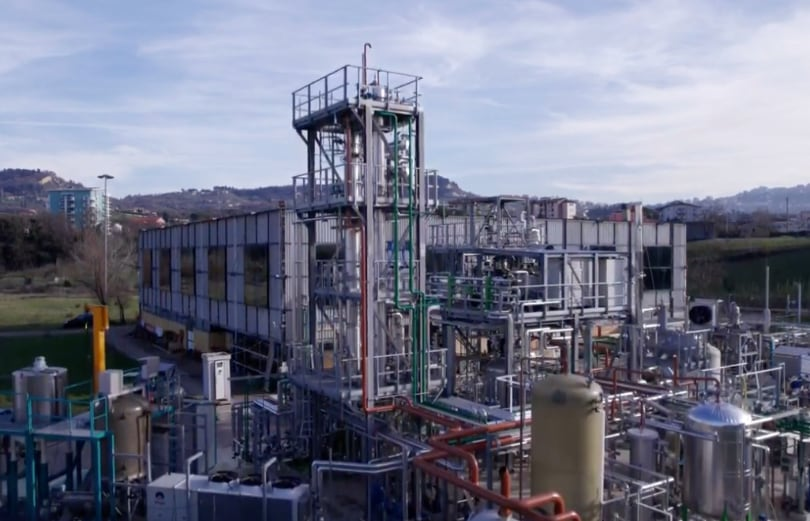
Nel Parco Tecnologico d’Abruzzo, è stato realizzato da Next Chem il primo impianto italiano per il riciclo chimico del Pet e del poliestere derivati da rifiuti tessili. O anche a Roseto degli Abruzzi c’è il progetto “Vuschichè” che si occupa di ritirare coperte abruzzesi in lana, tele tessute a mano o arazzi dismessi per trasformarli in capi di moda circolare. Cosi come c’è stata la premiazione all’ITS di Pescara su progetti dedicati alla creazione di abiti da sposa realizzati con materiale riciclato. L’economia circolare ha l’obiettivo di estendere il ciclo di vita dei
prodotti, riducendo al minimo i rifiuti. Serve per dare nuova vita a ciò che già esiste (come il recupero di fibre tessili in Abruzzo.Questa trasformazione non è solo ecologica, ma anche tecnologica. Molti dei prodotti che usiamo ogni giorno nascono proprio così:
Le maglie che usiamo per correre o andare in palestra sono spesso fatte con poliestere riciclato. Sono leggere, traspiranti e resistenti, dimostrando che il riciclo non toglie nulla alla qualità. Gli zaini che ci accompagnano a scuola o in escursione sono diventati i campioni del riuso. Tessuti robusti e impermeabili vengono creati interamente partendo dal recupero di bottiglie di plastica.
Scegliere un capo nato dal riciclo significa dare tregua alla natura. Ogni volta che preferiamo il nylon rigenerato o un tessuto recuperato, risparmiamo petrolio, consumiamo meno acqua e riduciamo le emissioni di CO2.
From nature to fabric
The delicate balance between the need to feed a growing global population and the urgency to preserve the integrity of ecosystems finds, in the environmental mosaic of Abruzzo, an open-air laboratory of extraordinary scientific relevance. In this region, where the biodiversity of national parks meets coastal hills, the recovery of ancestral knowledge merges with the application of cutting-edge technologies to define a new paradigm of regenerative agriculture. Through the use of crop rotation and the revival of local ecotypes such as Solina wheat or the sweet pepper of Altino, farms in Abruzzo are demonstrating how it is possible to drastically reduce dependence on chemical fertilizers. This approach not only promotes natural nitrogen fixation and carbon sequestration in the clay and limestone soils typical of the area, but also transforms farmland into an ecological “lung” capable of mitigating the effects of climate change that threaten the hydrogeological stability of the Apennines.
Technological innovation plays a crucial role in the precision management of resources, especially in areas such as the Fucino, where water management has long been a historical challenge. The use of IoT sensors and satellite data analysis now makes it possible to monitor the hydration status of horticultural crops with millimetric precision, optimizing irrigation and avoiding waste in an era marked by increasingly frequent water stress. This technological efficiency is combined with the rediscovery of naturally resilient native varieties, reducing the need for invasive phytosanitary interventions and protecting pollinators that are essential for the stability of regional natural systems.
The livestock sector in Abruzzo is undergoing an equally profound transformation, focused on moving beyond intensive models in favor of responsible management that enhances the millennia-old practice of transhumance, now reinterpreted in a modern context. Extensive farming and rotational grazing on the plateaus of the Gran Sasso and the Majella represent strategic solutions for maintaining the vitality of mountainous areas and preventing land abandonment. In these systems, sheep and cattle are not merely producers of protein, but become true architects of the landscape, contributing to nutrient cycles and preventing wildfires through the control of plant biomass.
Modern livestock farms in the region are implementing anaerobic digestion systems to convert manure into biogas and digestate, transforming a potential environmental burden into renewable energy and organic fertilizer for vineyards and olive groves in the valleys below. Respect for the environment is expressed in a new ethic of production, where the quality of food is intrinsically linked to soil health and the dignity of animal life. Scientific evidence shows that milk and meat from animals that graze freely among the medicinal herbs of the Apennines have superior nutritional profiles, with higher concentrations of antioxidants and essential fatty acids. This virtuous circle between territorial identity and scientific rigor demonstrates that sustainability is not a limitation to development for Abruzzo, but the essential condition for ensuring a resilient food system—one capable of honoring present resources without compromising the beauty and fertility of the future.
Location
Chieti