
During an Erasmus experience in the Canary Islands, students discover that spices are much more than simple ingredients: they are a reflection of history, culture, and local identity. From small traditional farms to lively local markets, spices tell the story of a territory shaped by trade, agriculture, and centuries of cultural exchange.
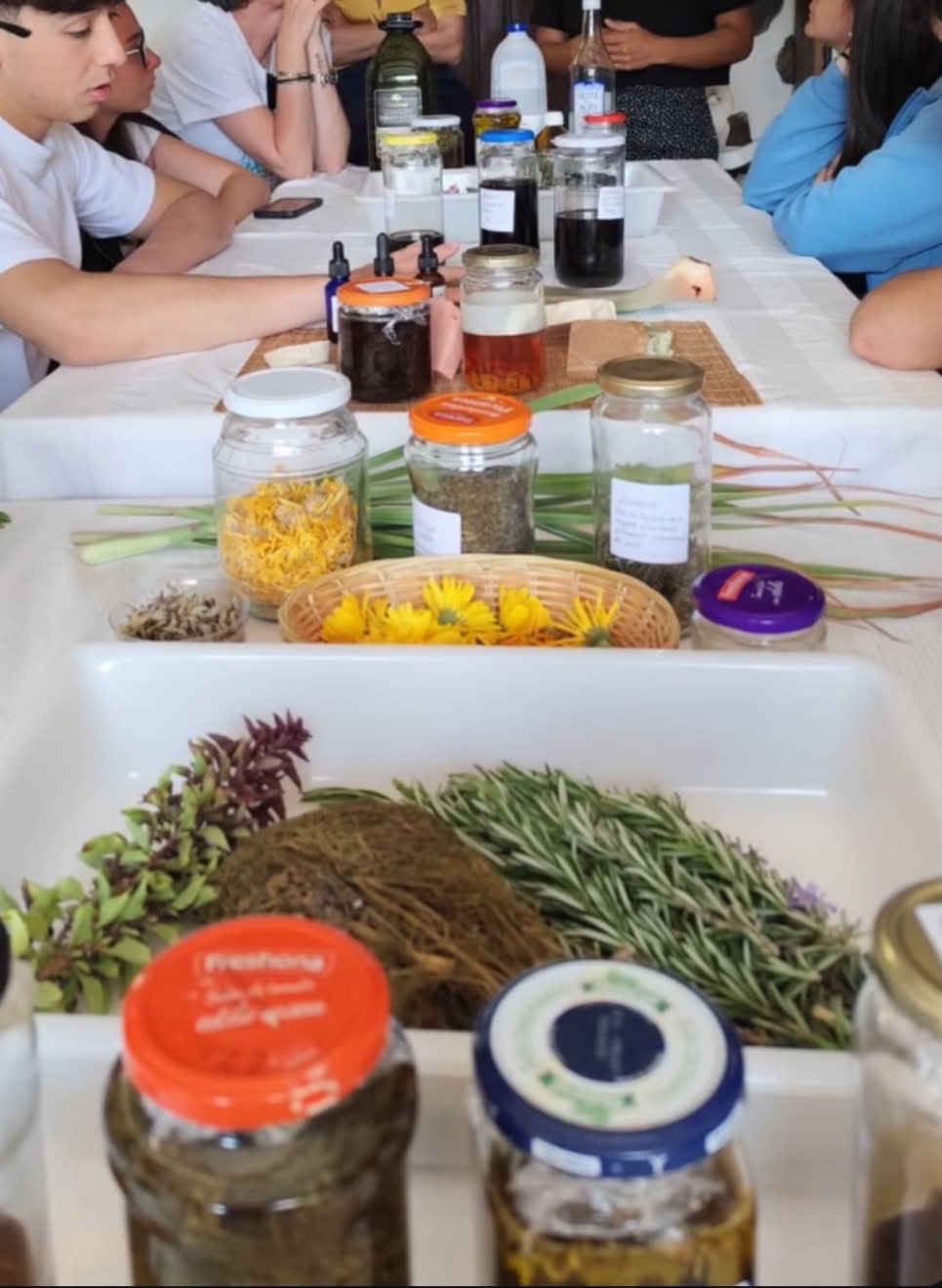
In the fertile yet often dry volcanic soils of the islands, farmers cultivate a variety of aromatic plants and spices adapted to the local climate. These crops are often grown using traditional methods, passed down through generations, where manual work and deep knowledge of the land remain essential.
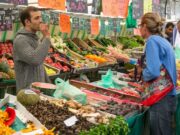
Local markets become the heart of this tradition. Here, students encounter intense aromas of herbs and spices that are used both in everyday cooking and in typical Canarian recipes. Each product carries a story: of the land where it was grown, the farmer who cultivated it, and the cultural influences that shaped its use over time.
Through visits and field experiences, Erasmus students observe how agricultural techniques are closely linked to sustainability. Many small producers rely on low-impact farming methods, respecting natural cycles and limiting the use of intensive industrial practices. This approach helps preserve biodiversity and maintain the fragile balance of island ecosystems.
The experience reveals how tradition and sustainability are deeply connected in the Canary Islands. Spices become a symbol of continuity between past and present, showing how local knowledge can contribute to more responsible and resilient forms of agriculture.
In the end, this journey is not only about taste and aroma, but also about understanding how food culture can reflect a community’s relationship with its environment.
Location
Canary Islands