
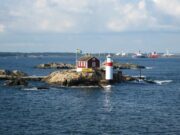




La fascia costiera considerata è quella della conosciuta Costa dei Trabocchi, uno dei bellissimi posti sull’Adriatico. Precisamente a Torre Sinello, la società C-Naturae di Pescara ha presentato il progetto per la costruzione di un “eco-resort” su un territorio di quasi 39 mila metri quadrati. L’intervento prevede la fondazione di varie strutture ricettive diverse su terreni incolti e filari arborei in passato usati per un ex-campeggio. In particolare, il piano include oltre 6.700 metri quadrati destinati a “Unità complementari fisse” e oltre 19.700 metri quadrati dedicati a “Unità abitative mobili e piscine”. Tra le opere previste emerge il “wellness building”, cioè un edificio dedicato al benessere. L’obiettivo principale del progetto è un servizio di alta qualità che si integri nel meraviglioso paesaggio caratterizzato dalla natura mediterranea e dai vigneti, tipico di Punta Aderci.
L’articolo del Fatto Quotidiano analizza il progetto dell’eco-resort e mette in luce una serie di criticità sollevate dalle associazioni ambientaliste: i rischi ambientali, la mancanza di trasparenza pubblica e il potenziale danno a un ecosistema protetto.
Una riserva naturale, per sua natura, è creata per limitare l’intervento umano, non per accogliere strutture turistiche che aumentano l’impatto umano. Portare centinaia di visitatori, anche in un contesto di “lusso”, su un’area di 4 ettari significa disturbare la fauna locale e compromettere habitat naturali che hanno impiegato decenni per il loro recupero.
Un paradosso chiave della situazione è l’etichetta “eco” data al resort. Sebbene si presenti come a basso impatto, il progetto prevede la costruzione di oltre 6.700 metri quadrati di strutture e ciò richiederebbe la deforestazione di aree che, pur essendo state in passato un campeggio, ora sono state rinaturalizzate. La decisione del Comune e della Regione di optare per controlli semplificati rappresenta un danno. La Valutazione di Impatto Ambientale non è solo un’operazione tecnica, ma il mezzo che assicura il coinvolgimento dei cittadini e il loro diritto a esprimere osservazioni pubbliche. Procedere “saltando” questo confronto nega alla comunità il diritto di influenzare il futuro di un bene collettivo.
L’articolo di Chiaro Quotidiano è decisamente favorevole al progetto: il resort rappresenta una scelta strategica e coraggiosa.
Uno degli argomenti più convincenti a favore del progetto riguarda lo stato attuale dei luoghi. Si parla di riqualificazione: l’operazione consentirebbe di salvare l’area dal degrado, restituendole una funzione sociale ed economica grazie alla “bio-architettura”. Questa forma di turismo “esperienziale” consentirebbe a Vasto di aumentare il proprio prestigio, attirando una clientela di alta fascia che al momento opta per destinazioni adriatiche più sviluppate. Grazie all’efficienza energetica e alla gestione intelligente delle risorse idriche, la struttura punta alla riduzione dell’impatto ambientale, dimostrando che il “progresso” può e deve essere sostenibile. Al beneficio ambientale si aggiunge quello economico. Un investimento privato di questa portata genera un indotto fondamentale per l’intera comunità: nuovi posti di lavoro, opportunità per i fornitori locali e una vetrina eccezionale per le cantine e le attività commerciali di Vasto.
Da una parte, quando il silenzio degli habitat viene sostituito dal rumore del turismo e il confronto pubblico viene aggirato, non si sta difendendo l’ambiente: lo si sta sacrificando in nome del profitto. Dall’altra, il vero progresso non è lasciare morire un luogo, ma farlo rinascere in armonia con ciò che lo rende unico.
Glamping in Punta Aderci: sustainable progress or environmental threat?
The glamping project divides public opinion and environmentalists: on the one hand, the redevelopment and revitalization of tourism, on the other, the fear of compromising one of the most precious ecosystems on the Trabocchi Coast.
The coastal strip considered is that of the well-known Costa dei Trabocchi, one of the beautiful places on the Adriatic. Specifically in Torre Sinello, the Pescara-based company C-Naturae presented the project for the construction of an “eco-resort” on an area of almost 39,000 square meters. The project involves the foundation of various different accommodation facilities on uncultivated land and rows of trees previously used for a former campsite. In particular, the plan includes over 6,700 square meters dedicated to “Fixed Complementary Units” and over 19,700 square meters dedicated to “Mobile Housing Units and Swimming Pools”. Among the planned works stands out the “wellness building”, that is, a building dedicated to well-being. The main objective of the project is a high-quality service that integrates into the wonderful landscape characterized by Mediterranean nature and vineyards, typical of Punta Aderci.
The Fatto Quotidiano article analyzes the eco-resort project and highlights a series of critical issues raised by environmental associations: environmental risks, the lack of public transparency, and the potential damage to a protected ecosystem.
A nature reserve, by its very nature, is created to limit human intervention, not to accommodate tourist facilities that increase human impact. Bringing hundreds of visitors, even in a “luxury” setting, to a 4-hectare area means disturbing local wildlife and compromising natural habitats that have taken decades to recover.
A key paradox of the situation is the “eco” label given to the resort. Although it presents itself as low-impact, the project involves the construction of over 6,700 square meters of structures, which would require the deforestation of areas that, although once a campsite, have now been renaturalized. The decision of the Municipality and the Region to opt for simplified controls represents a detriment. The Environmental Impact Assessment is not only a technical operation, but the means that ensures the involvement of citizens and their right to express public observations. Proceeding by “skipping” this confrontation denies the community the right to influence the future of a collective good.
The Chiaro Quotidiano article is decidedly favorable to the project: the resort represents a strategic and courageous choice.
One of the most compelling arguments in favor of the project concerns the current state of the places. We’re talking about redevelopment: the operation would save the area from degradation, restoring its social and economic function thanks to “bio-architecture”. This form of “experiential” tourism would allow Vasto to increase its prestige, attracting a high-end clientele who currently opt for more developed Adriatic destinations. Thanks to energy efficiency and intelligent water management, the facility aims to reduce environmental impact, demonstrating that “progress” can and must be sustainable.
The environmental benefit is complemented by the economic benefit. A private investment of this magnitude generates a key supply chain for the entire community: new jobs, opportunities for local suppliers, and an exceptional showcase for Vasto’s wineries and businesses.
On one hand, when the silence of habitats is replaced by the noise of tourism and public confrontation is bypassed, the environment is not being defended: it is being sacrificed in the name of profit. On the other hand, true progress is not letting a place die, but making it reborn in harmony with what makes it unique.
Location
Pescara