


Le foreste della provincia di Teramo riguardano soprattutto i territori del Parco Nazionale del Gran Sasso e Monti della Laga, insieme alle aree collinari e montane abruzzesi. Questi ecosistemi coinvolgono alberi, fauna selvatica, comunità locali, aziende del legno e istituzioni ambientali.
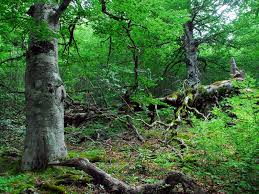
Negli ultimi anni è aumentata la superficie boscata nel territorio teramano, ma questo dato nasconde un problema: non sempre significa un miglioramento della biodiversità. Molte aree boschive sono giovani o ricolonizzate dopo tagli o incendi e non offrono ancora le stesse funzioni ecologiche delle foreste mature.
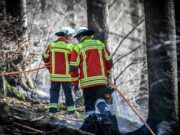
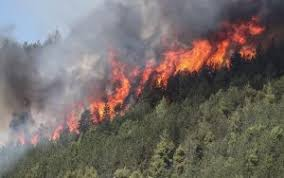
Una parte significativa della perdita di copertura forestale è legata ad attività umane come il taglio del legname, la produzione di biomassa e la gestione forestale intensiva. Inoltre, gli incendi boschivi contribuiscono in modo importante alla trasformazione del paesaggio.
Il fenomeno si è intensificato soprattutto tra gli anni 2000 e oggi, con un aumento progressivo delle superfici boscate ma anche con una crescente frequenza di eventi estremi come ondate di calore e incendi estivi.
Il fenomeno riguarda soprattutto le aree montane e collinari della provincia di Teramo, in particolare le zone del Gran Sasso, dei Monti della Laga e le aree rurali circostanti, dove il bosco sta avanzando anche su terreni un tempo agricoli.
Le cause sono diverse e collegate tra loro. Da un lato c’è l’abbandono delle campagne, che permette al bosco di espandersi naturalmente. Dall’altro ci sono le attività economiche legate al legno e alla biomassa.
Un altro fattore chiave è il cambiamento climatico: gli incendi rilasciano CO₂ nell’atmosfera, contribuendo al riscaldamento globale. A sua volta, il clima più caldo e secco aumenta il rischio di nuovi incendi, creando un circolo vizioso.
Nel territorio teramano, quindi, non basta dire che “ci sono più foreste”. È importante capire che una foresta giovane o degradata non ha lo stesso valore ecologico di una foresta matura. La vera sfida per il futuro è proteggere la biodiversità e rendere i boschi più resistenti agli incendi e ai cambiamenti climatici.
Forests in the Teramo Area: More Woodlands, but Less Ecological Balance
Forest cover is increasing in the province of Teramo, but climate change, wildfires and human activities are reducing biodiversity and threatening the stability of ecosystems.
Written by Leonardo Fuschi 4F ITA ZOLI
The forests in the province of Teramo are mainly located within the Gran Sasso and Monti della Laga National Park, as well as in the surrounding hills and mountainous areas of Abruzzo. These ecosystems involve trees, wildlife, local communities, timber companies, and environmental institutions.
In recent years, the total forested area in the Teramo region has increased, but this does not necessarily mean an improvement in biodiversity. Many wooded areas are young or have regrown after logging or fires and do not yet provide the same ecological benefits as mature forests.
A significant part of forest loss is linked to human activities such as logging, biomass production, and intensive forest management. In addition, wildfires play an important role in transforming the landscape.
This trend has become more evident from the 2000s to the present day, with a gradual increase in forest cover but also a growing number of extreme events such as heatwaves and summer wildfires.
The phenomenon mainly affects the hilly and mountainous areas of the province of Teramo, especially the Gran Sasso and Monti della Laga regions, as well as rural areas where forests are expanding into former agricultural land.
The causes are interconnected. On one hand, rural abandonment allows forests to expand naturally. On the other hand, economic activities related to timber and biomass contribute to forest exploitation.
Climate change is another key factor: wildfires release CO₂ into the atmosphere, contributing to global warming. In turn, hotter and drier conditions increase the risk of further fires, creating a self-reinforcing cycle.
In the Teramo area, it is not enough to say that “there are more forests.” It is important to understand that young or degraded forests do not provide the same ecological value as mature ones. The main challenge for the future is to protect biodiversity and make forests more resilient to wildfires and climate change.