





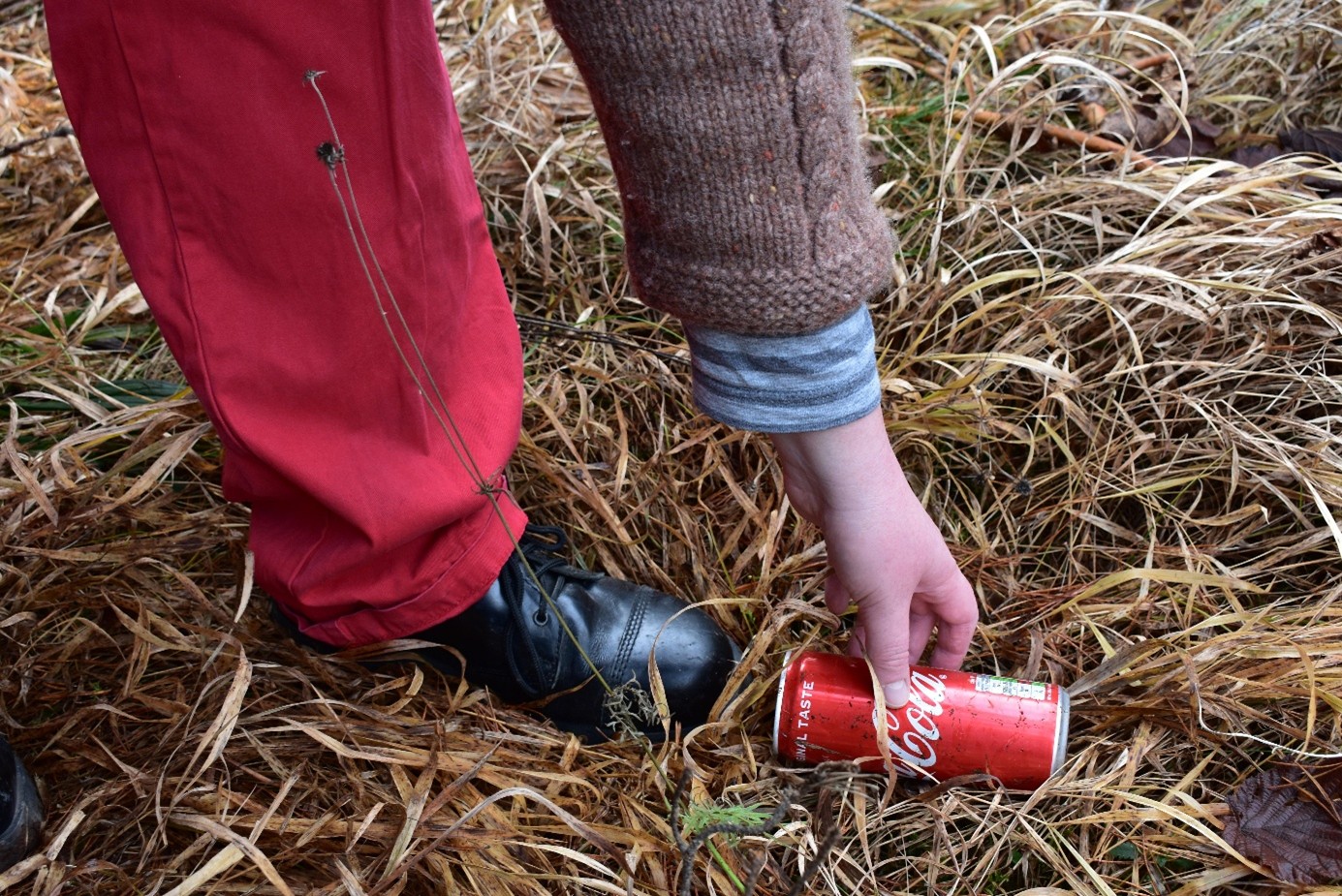
Grassroots recycling initiatives are becoming increasingly visible in Sweden as communities, volunteers, and local organisations explore practical ways to reduce waste and encourage more sustainable consumption habits. These initiatives often operate at neighbourhood level and focus on reuse, repair, and community participation.
One common activity is the organisation of repair workshops and repair cafés, where residents can repair household items, electronics, bicycles, or clothing instead of replacing them. These activities are connected to broader discussions about reducing waste and extending product lifecycles.
Clothing exchanges, second-hand markets, and reuse events are also common forms of grassroots recycling initiatives. These projects encourage people to share, exchange, or reuse products that might otherwise become waste.
Some initiatives focus on community recycling education and awareness. Workshops, local campaigns, and public events can help residents learn more about waste sorting, recycling systems, and sustainable consumption practices.
Digital platforms and social media are increasingly used to organise local recycling activities and connect participants. Online groups may help communities share resources, coordinate events, or exchange reusable items.
At the same time, grassroots recycling projects can face challenges related to volunteer capacity, funding, access to spaces, and long-term engagement. Maintaining participation over time may require cooperation with local organisations or municipalities.
Overall, grassroots recycling initiatives in Sweden demonstrate how local communities can contribute to waste reduction and circular economy discussions through practical everyday actions and cooperation.