





Eco-villages and sustainable living communities are becoming increasingly visible in Sweden as groups of residents explore alternative approaches to housing, resource use, and community organisation. These initiatives often combine environmental goals with shared social and economic practices.
Eco-villages generally involve communities where residents cooperate on aspects such as energy use, food production, waste management, and shared facilities. Housing may include energy-efficient buildings, renewable energy systems, and shared green spaces.
One important aspect of sustainable living communities is the focus on resource sharing and reduced consumption. Shared tools, transport systems, communal kitchens, and cooperative activities are examples of practices that may reduce material use and encourage collaboration between residents.
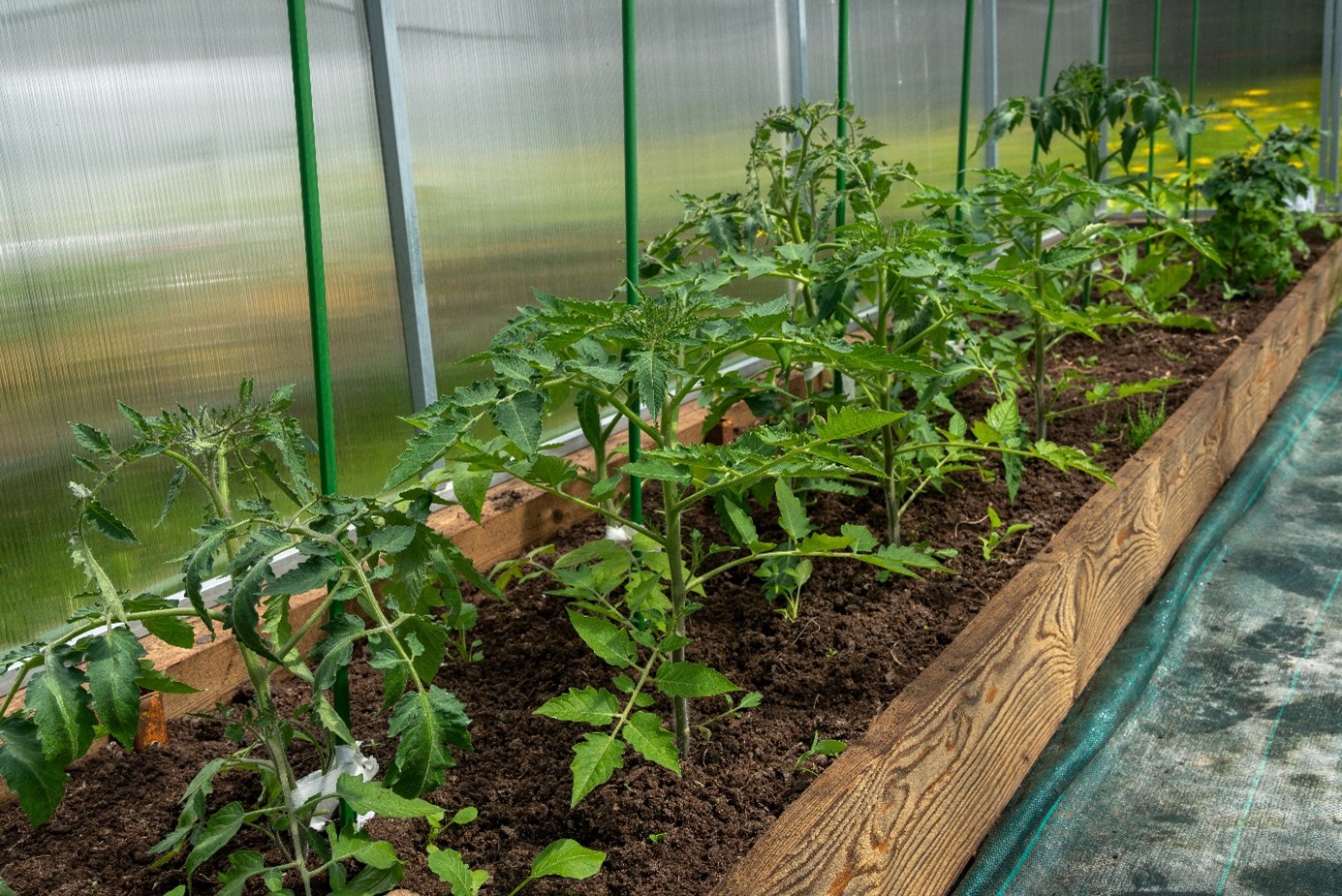
Local food production is also commonly associated with eco-villages. Community gardens, greenhouses, and small-scale farming projects can contribute to local food systems and environmental awareness.
Social sustainability is another important element. Eco-villages often emphasise cooperation, shared decision-making, and community participation. Educational activities and workshops related to sustainability are also common in some communities.
At the same time, eco-villages and sustainable living projects can face challenges related to financing, land access, governance, and balancing individual and collective needs. Long-term maintenance and community organisation may also require significant commitment from residents.
Overall, Swedish eco-villages and sustainable living communities reflect broader interest in alternative lifestyles connected to environmental responsibility and cooperation. These initiatives continue to contribute to discussions about sustainable housing, local resilience, and community-based living.