





Sustainability is becoming an increasingly important focus in contemporary architecture across Scandinavia. Architects, planners, and developers are exploring building approaches that aim to reduce environmental impact while improving energy efficiency and long-term functionality.
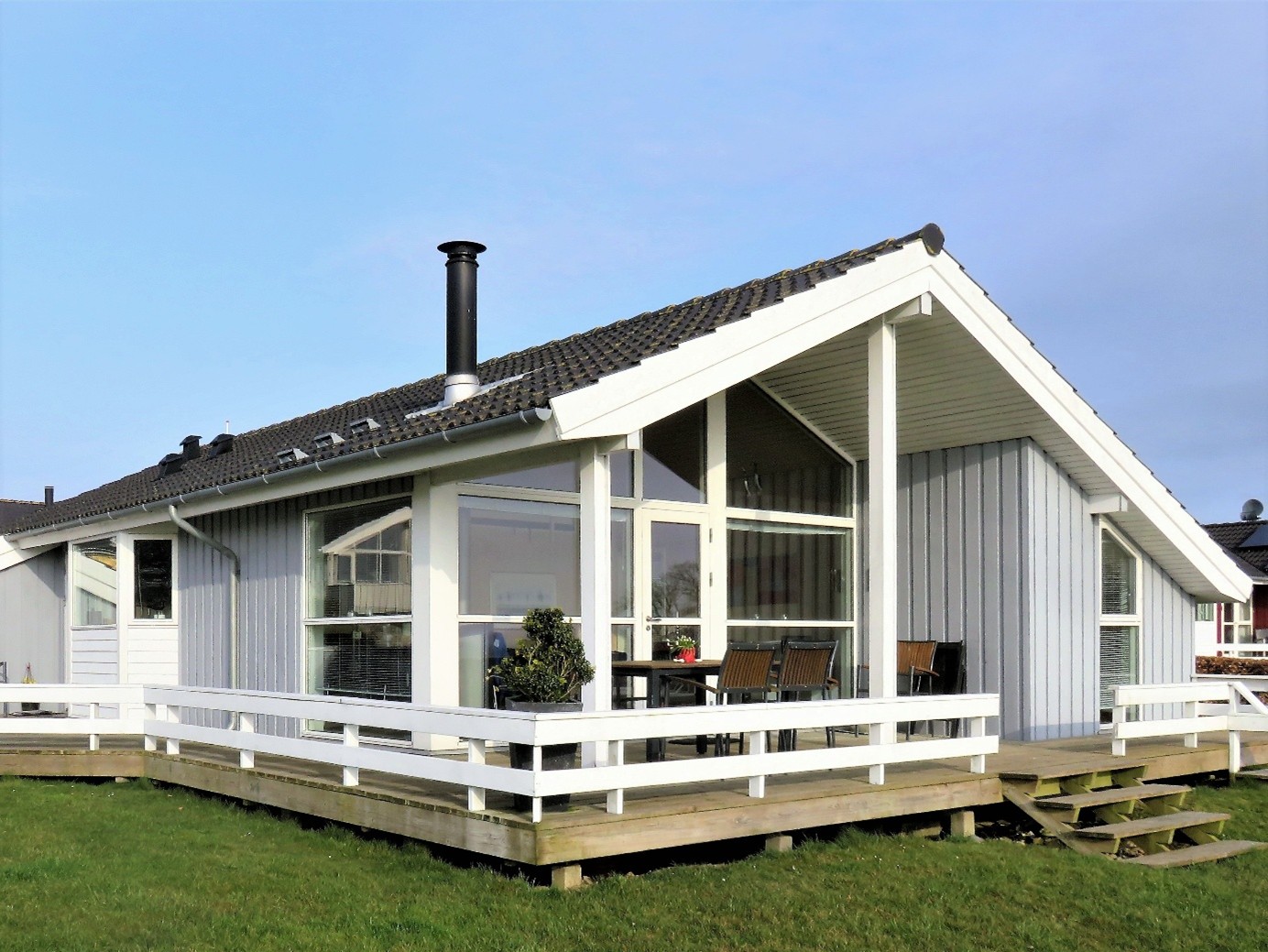
One visible trend is the growing use of wood and renewable materials in construction. Scandinavian countries, including Sweden, have seen increasing interest in timber-based architecture for residential and public buildings. Wood is often discussed as a renewable material that can contribute to lower-carbon construction approaches when sourced and managed responsibly.
Another important trend is energy-efficient building design. New buildings increasingly incorporate features such as improved insulation, natural lighting, energy management systems, and renewable energy integration. These approaches are connected to broader European climate and energy objectives.
Green architecture also includes attention to urban integration and public space. Designers increasingly consider how buildings interact with surrounding environments, including access to green areas, public transport, and pedestrian-friendly infrastructure.
Circular economy principles are becoming more visible in architecture as well. Some projects focus on reducing construction waste, reusing materials, and designing buildings that can be adapted or renovated more easily over time.
At the same time, green architecture faces challenges related to construction costs, regulations, and balancing sustainability goals with practical and commercial requirements.
Overall, green architecture trends in Scandinavia reflect broader efforts to integrate environmental considerations into the built environment. Through material innovation, energy efficiency, and urban planning approaches, architecture continues to play a role in sustainability discussions.