




Circular design is becoming an increasingly important concept within Swedish creative industries. Designers, manufacturers, and cultural organisations are exploring ways to reduce waste, extend product lifecycles, and improve resource efficiency across sectors such as fashion, furniture, interiors, and product design.
Unlike traditional linear production models based on “take, make, dispose,” circular design focuses on keeping materials and products in use for as long as possible. This includes approaches related to reuse, repair, recycling, and adaptable product design.
One important aspect is the design of products that are easier to repair or disassemble. In furniture and product design, for example, modular structures and replaceable components can extend product lifespans and reduce material waste.
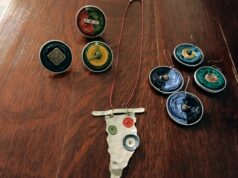
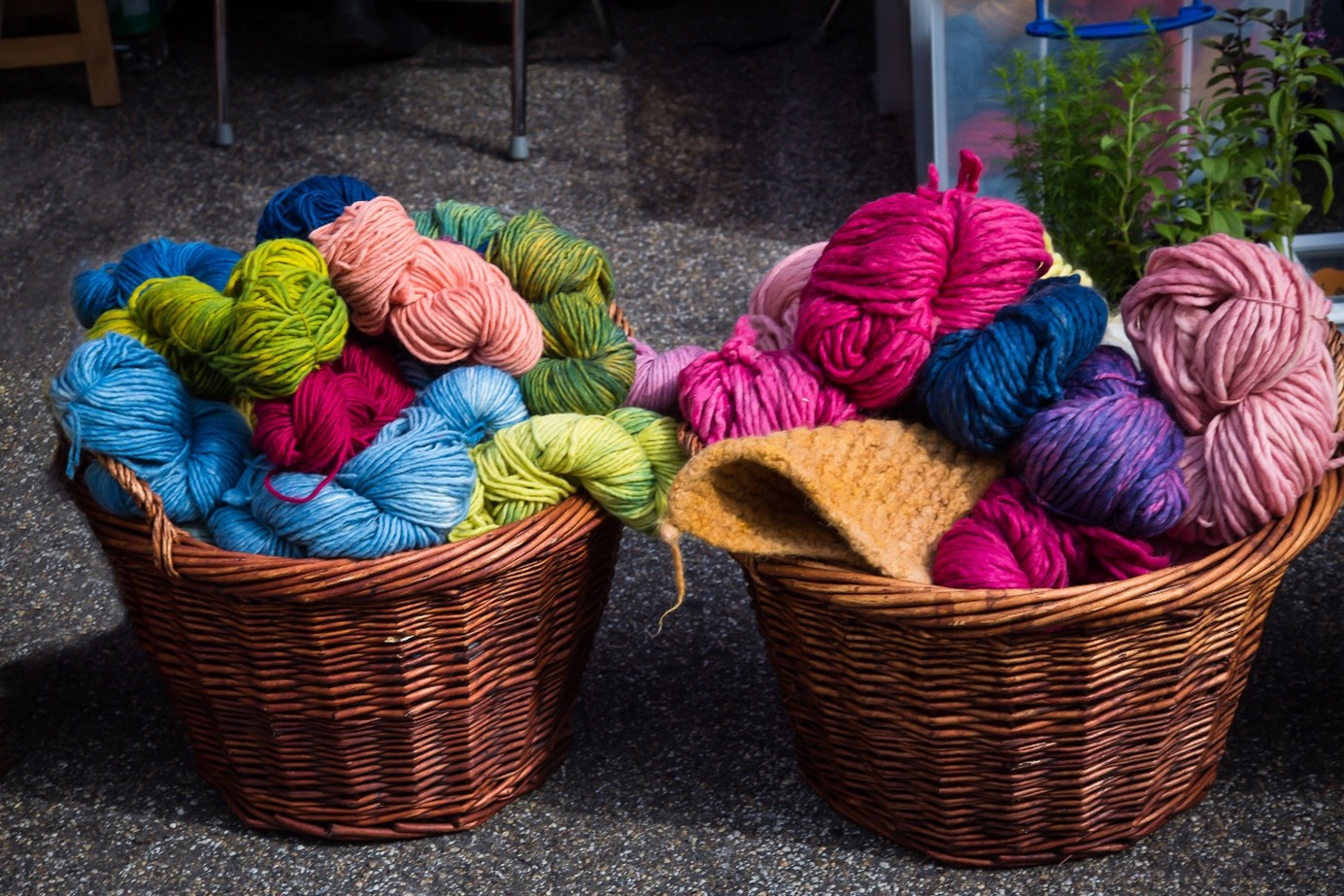
Creative industries are also experimenting with material recovery and reuse systems. Recycled textiles, reclaimed wood, and reused industrial materials are increasingly integrated into new products and artistic projects.
Digital technologies contribute to circular design practices as well. Digital modelling, on-demand production, and material tracking systems can help reduce overproduction and improve resource management within creative sectors.
In addition, collaboration between designers, manufacturers, and recycling systems is becoming more important. Circular design often requires coordination across multiple stages of production and consumption.
At the same time, implementing circular systems can involve challenges related to costs, infrastructure, and changing consumer habits. Questions about scalability and long-term economic viability continue to be discussed within the sector.
Overall, circular design in Swedish creative industries reflects broader efforts to rethink production and consumption patterns. Through reuse, repair, and material innovation, creative sectors are exploring ways to support more resource-efficient systems.