





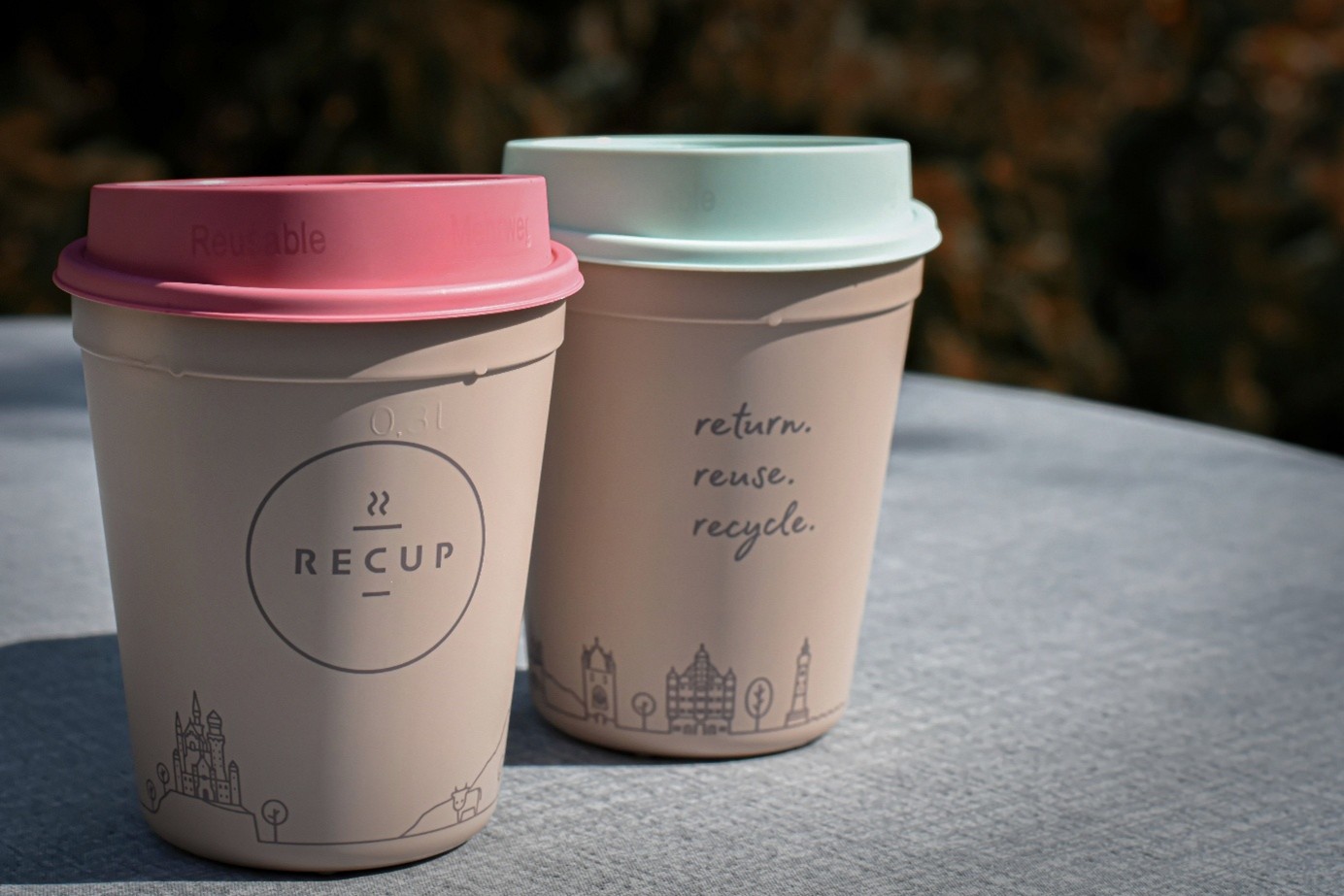
Zero-waste lifestyle movements are gaining visibility in Sweden and other parts of Europe as individuals and communities seek to reduce everyday waste and consumption. These movements promote practices aimed at minimising the amount of material sent to landfills or incineration through reuse, repair, recycling, and reduced consumption.
One common aspect of zero-waste living is the use of reusable products. Items such as refillable containers, reusable shopping bags, and durable household products are promoted as alternatives to single-use materials. Some consumers also choose products with minimal packaging.
Another important element is repair and reuse culture. Repair cafés, second-hand shops, and clothing exchange initiatives encourage people to extend the lifespan of products rather than replacing them. These activities are connected to broader circular economy discussions.
Food waste reduction is also frequently associated with zero-waste movements. Consumers and organisations increasingly discuss meal planning, composting, and ways to reduce unnecessary food disposal.
Digital platforms and social media have contributed to spreading awareness of zero-waste practices. Online communities often share information, practical advice, and examples of lower-waste lifestyles.
At the same time, zero-waste living can present practical challenges. Access to refill systems, affordability of sustainable products, and differences in local infrastructure can influence how easily such practices can be adopted.
Overall, zero-waste lifestyle movements reflect broader interest in sustainable consumption and resource efficiency. While approaches vary, these movements encourage individuals and communities to reconsider patterns of waste and consumption in everyday life.