





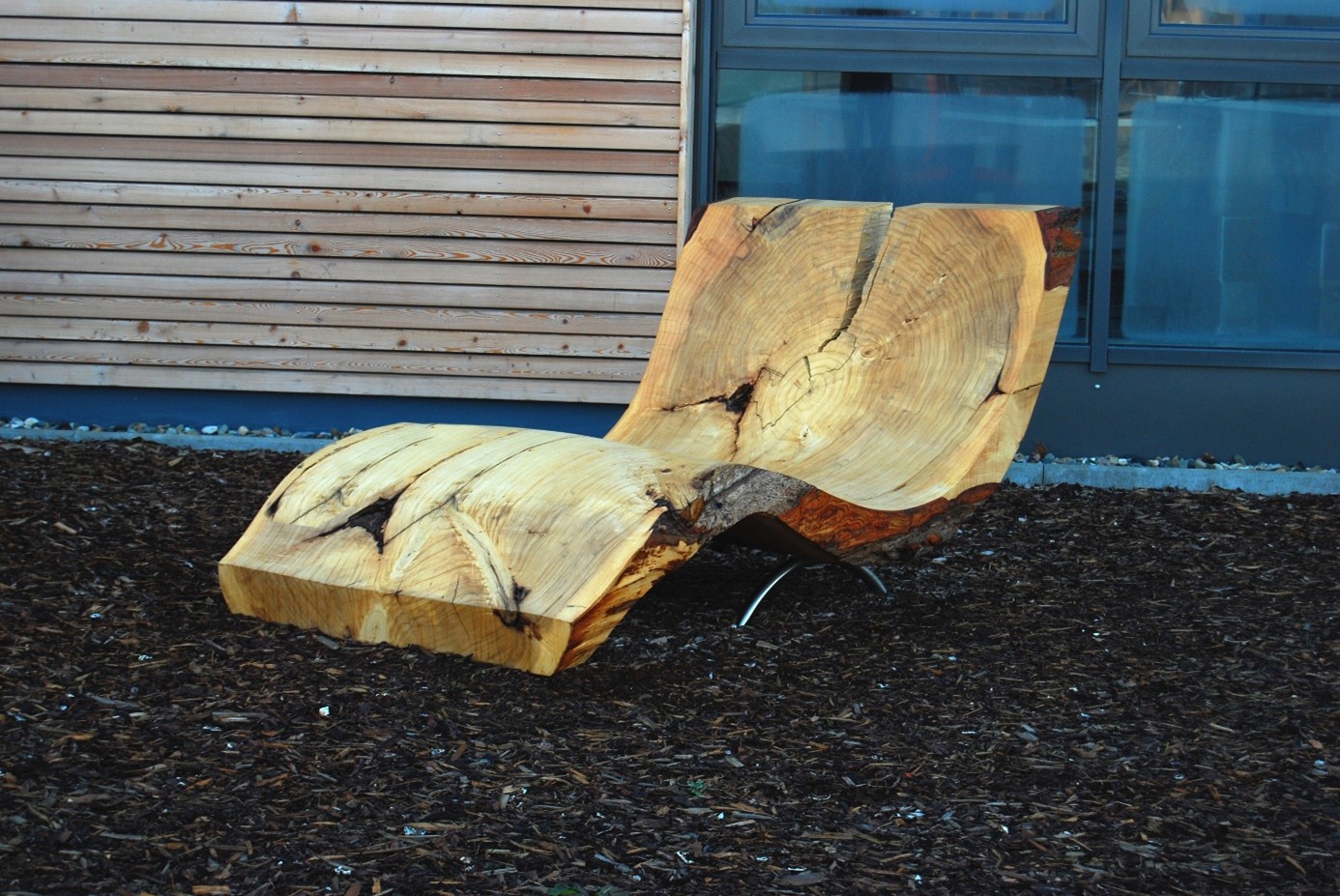
Sustainability is becoming an increasingly important consideration in Swedish furniture design. Designers and manufacturers are exploring ways to reduce environmental impact through material selection, production methods, and longer product lifecycles.
One visible trend is the use of recycled and renewable materials. Furniture producers are experimenting with reclaimed wood, recycled textiles, and bio-based materials as alternatives to more resource-intensive options. These approaches aim to reduce waste and lower the environmental footprint of production.
Another important aspect is durability and repairability. Many Swedish design traditions emphasise simple forms and long-lasting functionality. This approach aligns with sustainability goals by encouraging products to be used for longer periods rather than replaced frequently.
Furniture innovation also includes efforts to improve resource-efficient production. Some manufacturers focus on reducing material waste, energy use, and transport emissions through local production and more efficient manufacturing processes.
In addition, circular economy principles are influencing furniture design. Designers increasingly consider how products can be disassembled, repaired, reused, or recycled at the end of their lifecycle. This reflects broader discussions about reducing consumption and supporting more circular production systems.
Digital technologies are also contributing to innovation. Tools such as digital modelling and precision manufacturing can help optimise material use and reduce production waste.
At the same time, sustainable furniture production faces challenges related to costs, sourcing of certified materials, and balancing sustainability with commercial demand. Designers and companies continue to explore how environmental considerations can be integrated into competitive products.
Overall, eco-friendly furniture innovation in Sweden reflects broader trends in sustainable design and circular economy thinking. Through material innovation, durable design, and resource-efficient production, Swedish designers contribute to discussions about more sustainable consumption.