





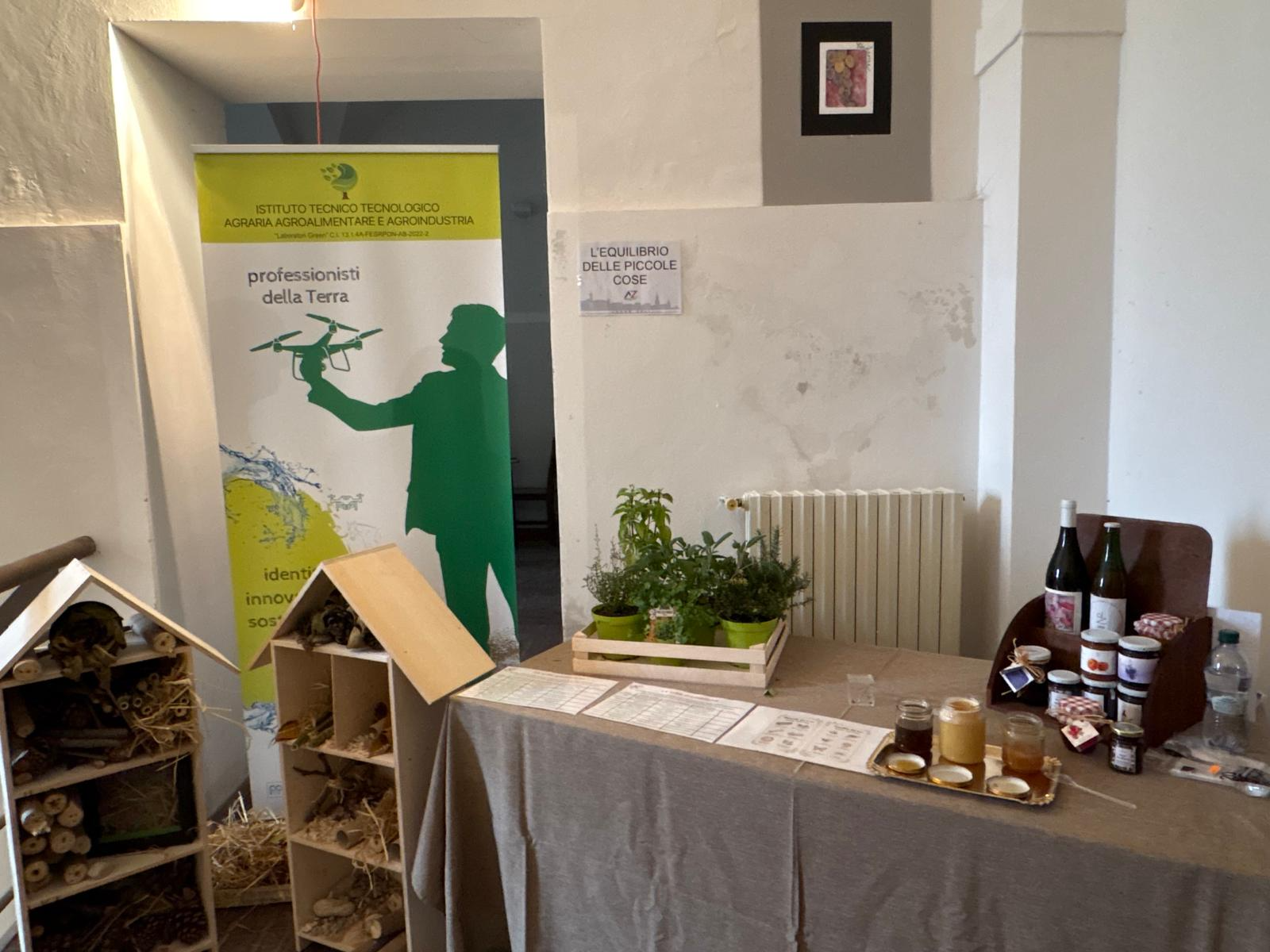
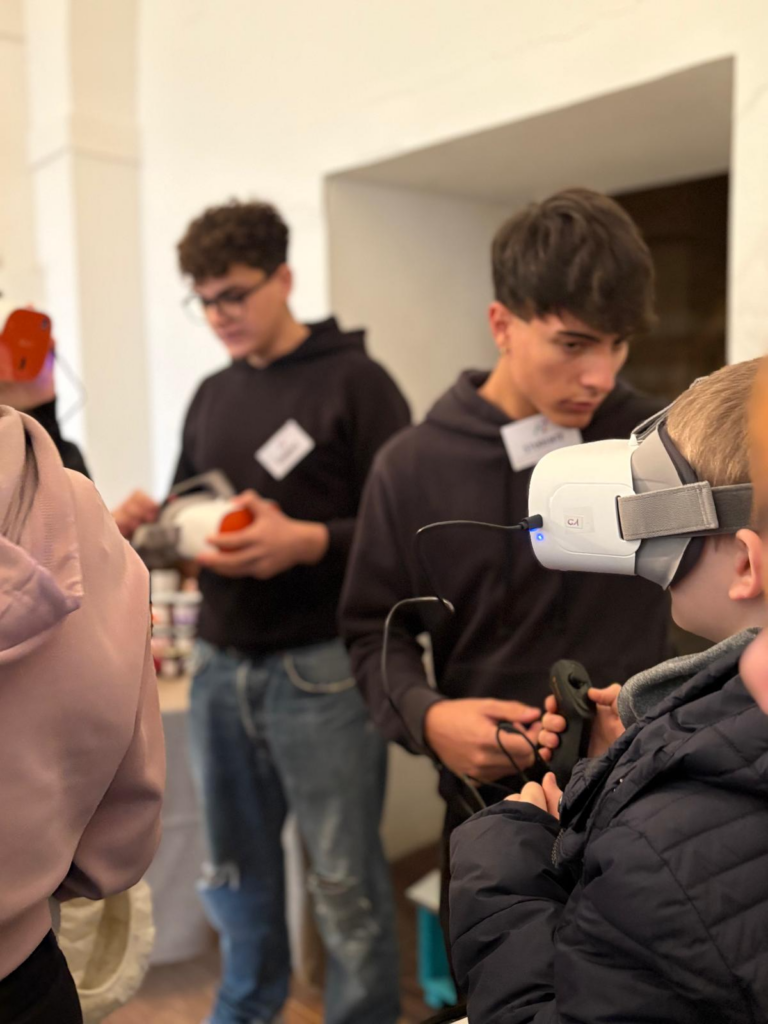
Il progetto coinvolge gli studenti dell’Istituto Tecnico Agrario “Adone Zoli” di Atri, insieme al Ministero dell’Istruzione, agli ITS Academy, alle università e alle imprese del territorio. I principali protagonisti sono quindi studenti e docenti, affiancati dal sistema produttivo.
Si tratta del nuovo modello di formazione 4+2, una riforma della filiera tecnologico-professionale che prevede quattro anni di scuola superiore seguiti da due anni di ITS Academy. Il percorso integra lezioni teoriche, laboratori, competenze digitali e attività pratiche legate al mondo del lavoro.
Il modello è stato introdotto recentemente nell’ambito delle nuove riforme della scuola italiana e viene attivato in via sperimentale nell’anno scolastico in corso, con un progressivo ampliamento nei prossimi anni.
Il progetto viene sperimentato in diversi istituti tecnici italiani, tra cui l’Istituto “Adone Zoli” di Atri, in Abruzzo, che rappresenta uno dei contesti di applicazione del nuovo percorso formativo.
L’obiettivo della riforma è ridurre la distanza tra scuola e mondo del lavoro, offrendo una formazione più breve ma altamente specializzata. Il modello punta a sviluppare competenze STEM, digitali e professionali, rispondendo meglio alle richieste delle imprese e facilitando l’accesso ai percorsi ITS o universitari.
Il modello 4+2 rappresenta un cambiamento importante nella scuola italiana: un sistema più flessibile e orientato al futuro, che mira a formare giovani pronti ad affrontare le sfide del mondo del lavoro e dell’innovazione tecnologica.
The School of the Future: the 4+2 Model at “Adone Zoli” Institute in Atri
A new educational pathway connects school, ITS Academy, and the job market to make technical education faster, more practical, and closer to industry needs.
Roberta Tini 4E ITA ZOLI
The project involves students from the “Adone Zoli” Technical Agricultural Institute in Atri, together with the Italian Ministry of Education, ITS Academies, universities, and local businesses. The main actors are students and teachers, supported by the wider productive system.
The initiative is the new 4+2 education model, a reform of the technological-professional training pathway. It consists of four years of secondary technical school followed by two years in an ITS Academy, combining theoretical lessons, laboratory work, digital skills, and practical training linked to the job market.
The model has been recently introduced as part of Italy’s latest education reforms and is being experimentally implemented in the current school year, with plans for gradual expansion in the coming years.
The project is being tested in several technical institutes across Italy, including the “Adone Zoli” Institute in Atri, Abruzzo, which is one of the schools applying this innovative pathway.
The goal of the reform is to reduce the gap between school and employment by offering a shorter but more specialized educational route. The model focuses on developing STEM, digital, and professional skills, better responding to the needs of companies and facilitating access to ITS programs or university studies.
The 4+2 model represents a major shift in the Italian education system: a more flexible and future-oriented pathway designed to prepare students for the challenges of the modern job market and technological innovation.