

Sulle tracce di Edward Lear: viaggio in Albania tra memoria e presente
Quando Edward Lear attraversò l’Albania nel XIX secolo, ne restò profondamente colpito. Pittore, poeta e instancabile viaggiatore, annotò nel suo diario impressioni vivide di un territorio allora poco conosciuto agli occhi europei. Le sue parole restituiscono ancora oggi l’immagine di un paesaggio sospeso, aspro e affascinante.
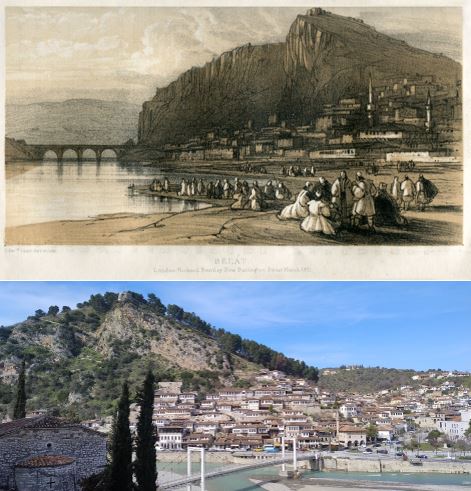
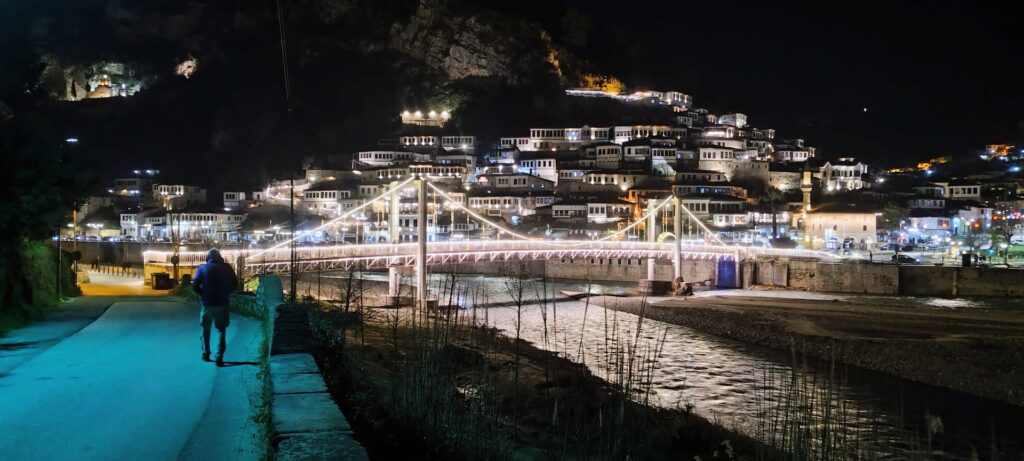
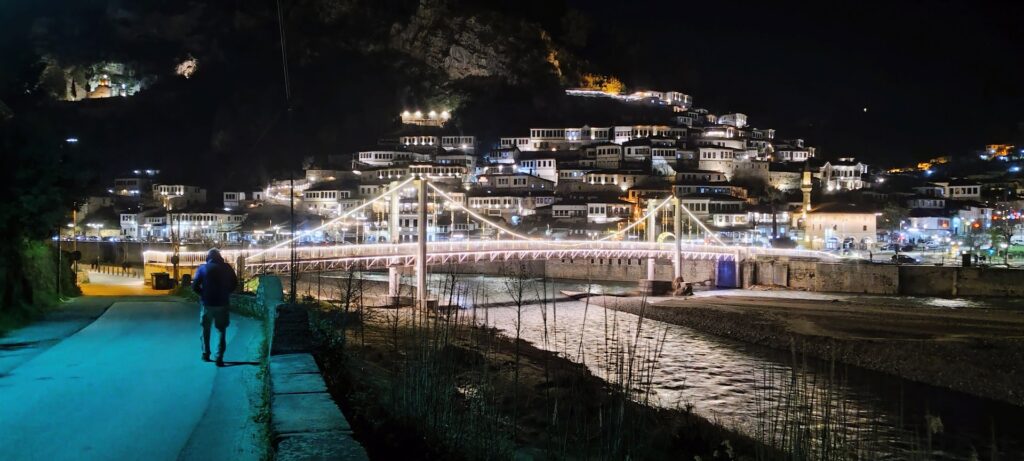
A Berat, Lear rimase incantato da quella che definì una città “di straordinaria bellezza, con case bianche che si arrampicano una sull’altra”. Non a caso oggi è conosciuta come la città dalle mille finestre. Queste, ancora oggi, si affacciano sul fiume Osum, creando un gioco di luci e riflessi che sembra immutato nel tempo. Berat conserva un equilibrio raro tra memoria e vita quotidiana, dove il passato non è solo testimonianza, ma presenza viva.
Diversa, ma altrettanto suggestiva, è Gjirokastër, che Lear descrisse come “una città di pietra, severa e magnifica”. Le sue case-fortezza, con i tetti in ardesia, dominano la valle e raccontano una storia di resistenza e identità. Qui il tempo sembra essersi sedimentato nelle architetture, nei silenzi, nelle strade acciottolate che salgono verso il castello.
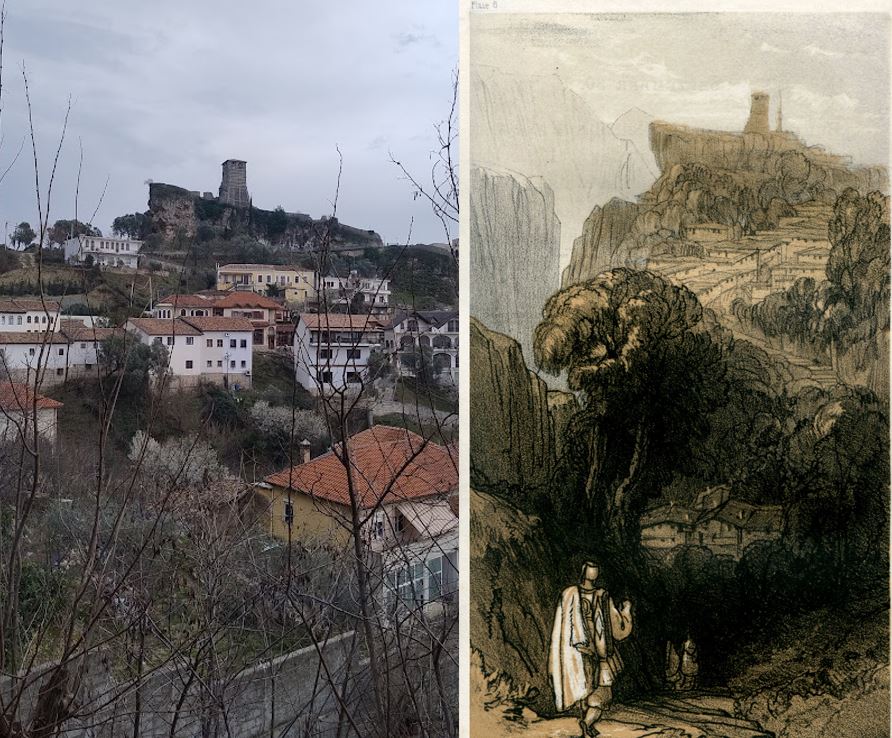
Infine Krujë, che ancora oggi conserva una forte connotazione ottomana. Cruja è rimasto un piccolo borgo, raccolto e autentico. Il suo piccolo bazar è rimasto così com’era, poggiato sull’antico lastricato, tra botteghe che sembrano sospese nel tempo. Tuttavia, non tutto ha resistito con la stessa forza: molti edifici risultano purtroppo in completo abbandono, così come il castello che, se ai tempi di Lear appariva maestoso e dominante, oggi sembra quasi ingabbiato, come un’antica fiera in gabbia, privata della sua piena libertà.
Il viaggio di Lear in Albania non è solo un racconto geografico, ma uno sguardo poetico su un mondo in trasformazione. Le sue parole – “non ho mai visto nulla di così selvaggiamente bello” – continuano a dialogare con lo sguardo del viaggiatore contemporaneo, creando un ponte tra passato e presente.
In the footsteps of Edward Lear: a journey through Albania
When Edward Lear travelled across Albania in the 19th century, he was deeply impressed by its landscapes and atmosphere. A painter, poet and tireless traveller, he recorded vivid impressions of a land that was largely unknown to European audiences at the time.
In Berat, Lear admired what he described as “a place of singular beauty, its white houses rising one above the other.” Today, it is still known as the city of a thousand windows, overlooking the Osum River. The light reflecting on these windows creates a timeless दृश्य that feels almost unchanged since Lear’s visit.
Equally evocative is Gjirokastër, which Lear portrayed as “a stern and magnificent stone city.” Its fortress-like houses and slate roofs dominate the valley, preserving a strong sense of identity and history. Walking through its narrow streets feels like stepping into a layered past.
Finally, Krujë still retains its Ottoman character. It remains a small, intimate village, where the old bazaar stands much as it once did, resting on its ancient stone pavement. Yet signs of decay are visible: many buildings lie abandoned, and the castle—once majestic in Lear’s time—now appears almost confined, like a caged relic of its former grandeur.
Lear’s journey through Albania is more than a travel account; it is a poetic vision of a land in transition. His words—“I never saw anything so wildly beautiful”—still resonate today, inviting modern travellers to see through both his eyes and their own.