





Sustainable housing is becoming an important area of development in Sweden as cities and communities respond to climate challenges, housing demand, and changing lifestyles. Rather than focusing only on construction materials, current approaches increasingly consider how housing is designed, used, and integrated into broader sustainability goals.
One key aspect is energy-efficient housing design. New residential buildings are often constructed to meet strict energy performance standards, reducing the amount of energy required for heating, cooling, and electricity use. Technologies such as improved insulation, energy-efficient ventilation systems, and smart energy management contribute to lower emissions and operating costs.
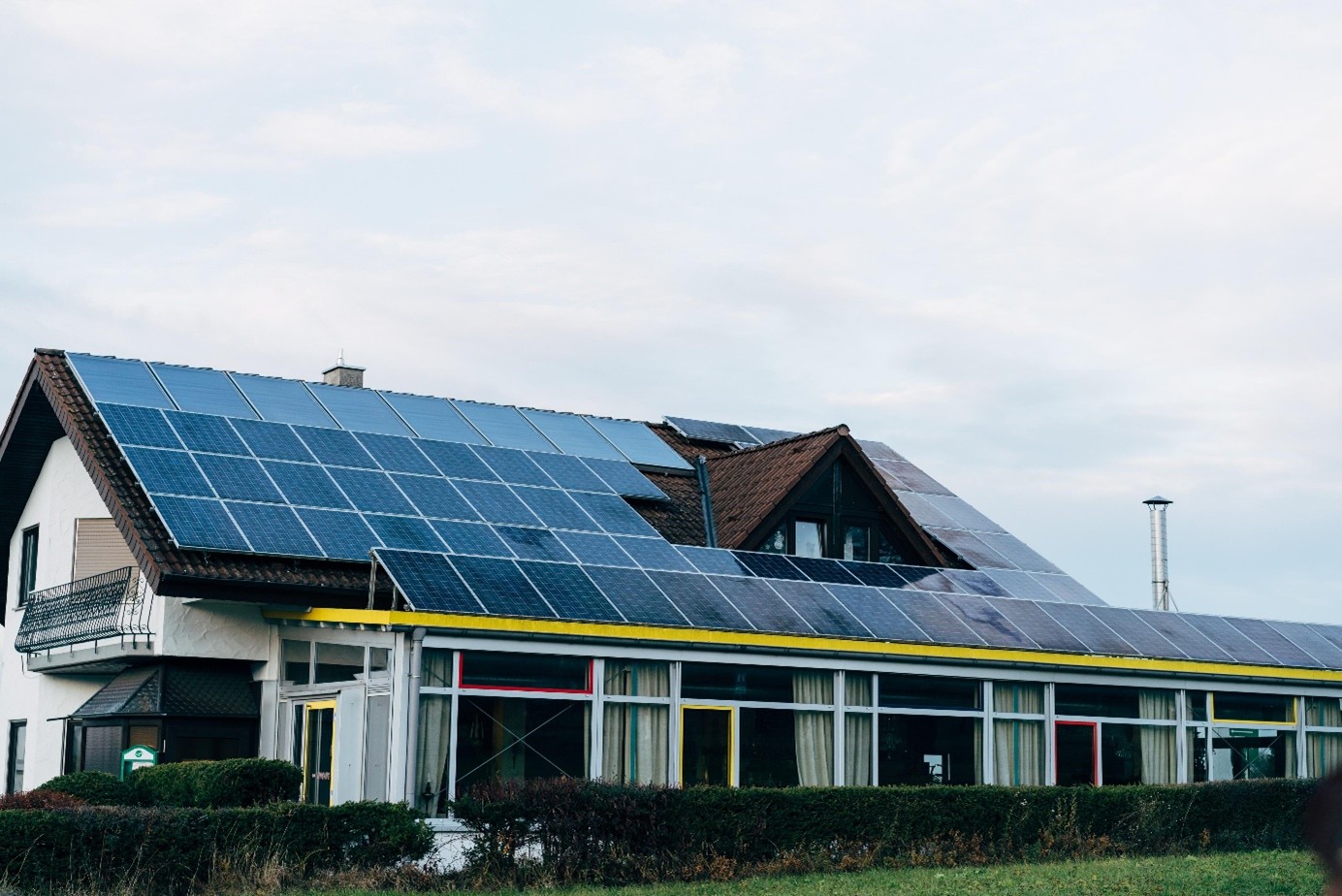
The use of renewable energy in housing is also expanding. Solar panels, heat pumps, and connections to district heating systems are increasingly integrated into residential developments. These solutions support the transition to low-carbon energy systems and reduce dependence on fossil fuels.
Another emerging trend is the development of new housing models, including co-housing and shared living spaces. These approaches allow residents to share resources such as common areas, facilities, and services, which can reduce overall resource use and support more sustainable lifestyles.
Affordability is also an important consideration. Sustainable housing solutions increasingly aim to balance environmental performance with economic accessibility. This includes exploring cost-efficient construction methods and long-term savings through reduced energy consumption.
In addition, retrofitting existing buildings plays a significant role. Many housing projects focus on upgrading older buildings to improve energy efficiency and extend their lifespan. This approach can reduce emissions associated with new construction while improving living conditions.
At the same time, challenges remain, including rising construction costs, regulatory requirements, and the need to meet growing housing demand. Addressing these issues requires coordination between municipalities, developers, and residents.
Overall, sustainable housing solutions in Sweden reflect a shift towards more integrated approaches that combine energy efficiency, renewable energy, and new living models. These developments contribute to broader efforts to create environmentally and socially sustainable communities.