





Eco-friendly travel experiences are becoming increasingly visible in Sweden as travellers seek lower-impact ways to explore nature and local communities. These experiences often focus on outdoor activities, sustainable transport, and smaller-scale accommodation options.
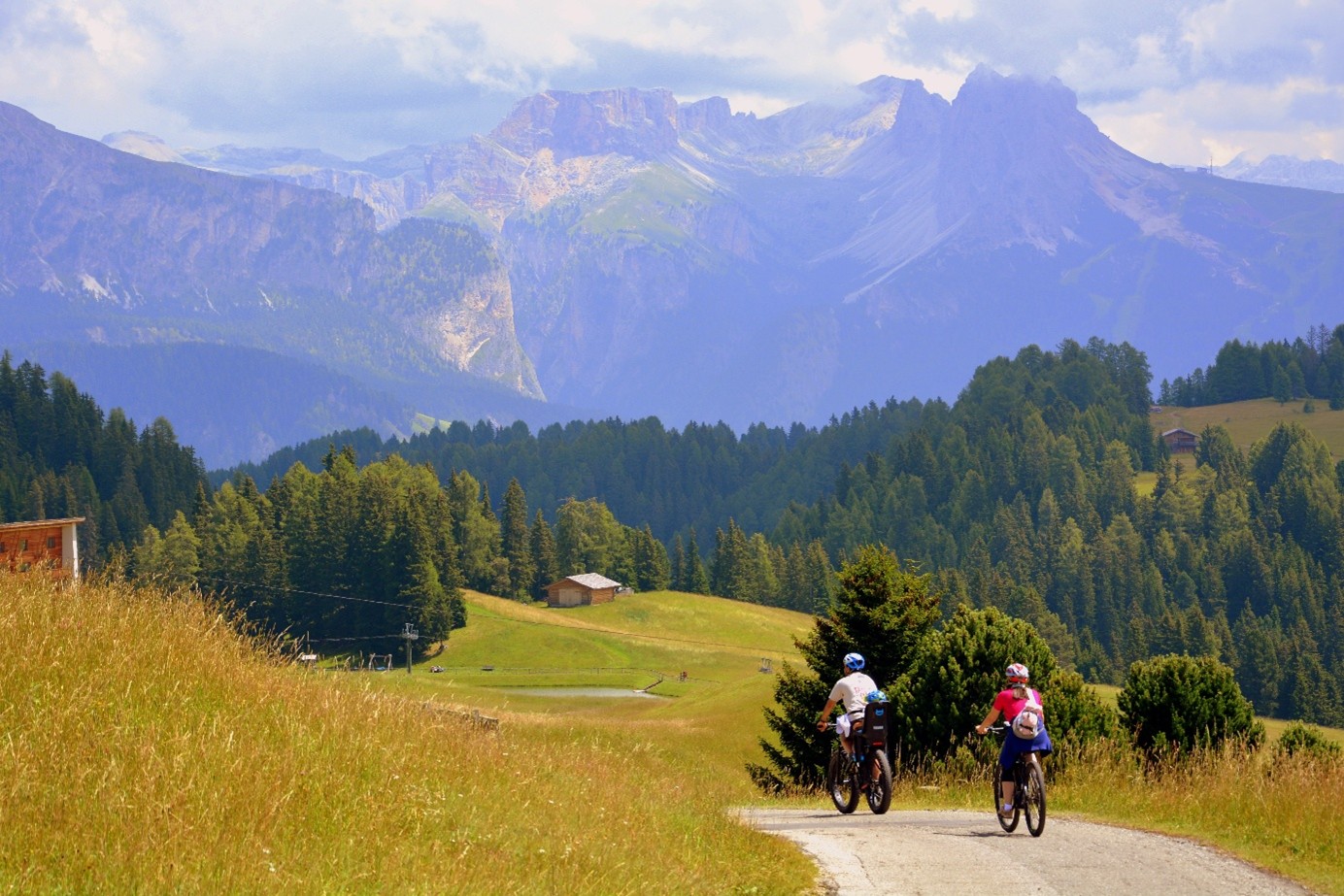
One growing area is slow travel, where visitors spend more time in fewer locations and use transport methods such as trains, bicycles, or walking. Sweden’s rail network and cycling routes support this approach, particularly for domestic tourism and regional travel.
Nature-based activities are also central to many eco-friendly travel experiences. Kayaking, hiking, wildlife observation, and outdoor camping are examples of activities commonly associated with low environmental impact when managed responsibly.
Accommodation providers are adapting as well. Some smaller hotels, cabins, and guesthouses focus on reducing energy use, managing waste, and sourcing local products. These practices are often integrated into broader sustainability strategies within the tourism sector.
Eco-friendly travel experiences in Sweden reflect broader changes in tourism preferences and sustainability awareness. These approaches emphasise lower-impact activities, local engagement, and responsible travel practices.