




Sweden is exploring new ways to attract residents to rural and coastal areas, including initiatives that offer people the opportunity to live temporarily on islands. These efforts are part of broader regional development strategies aimed at addressing population decline and supporting local communities.
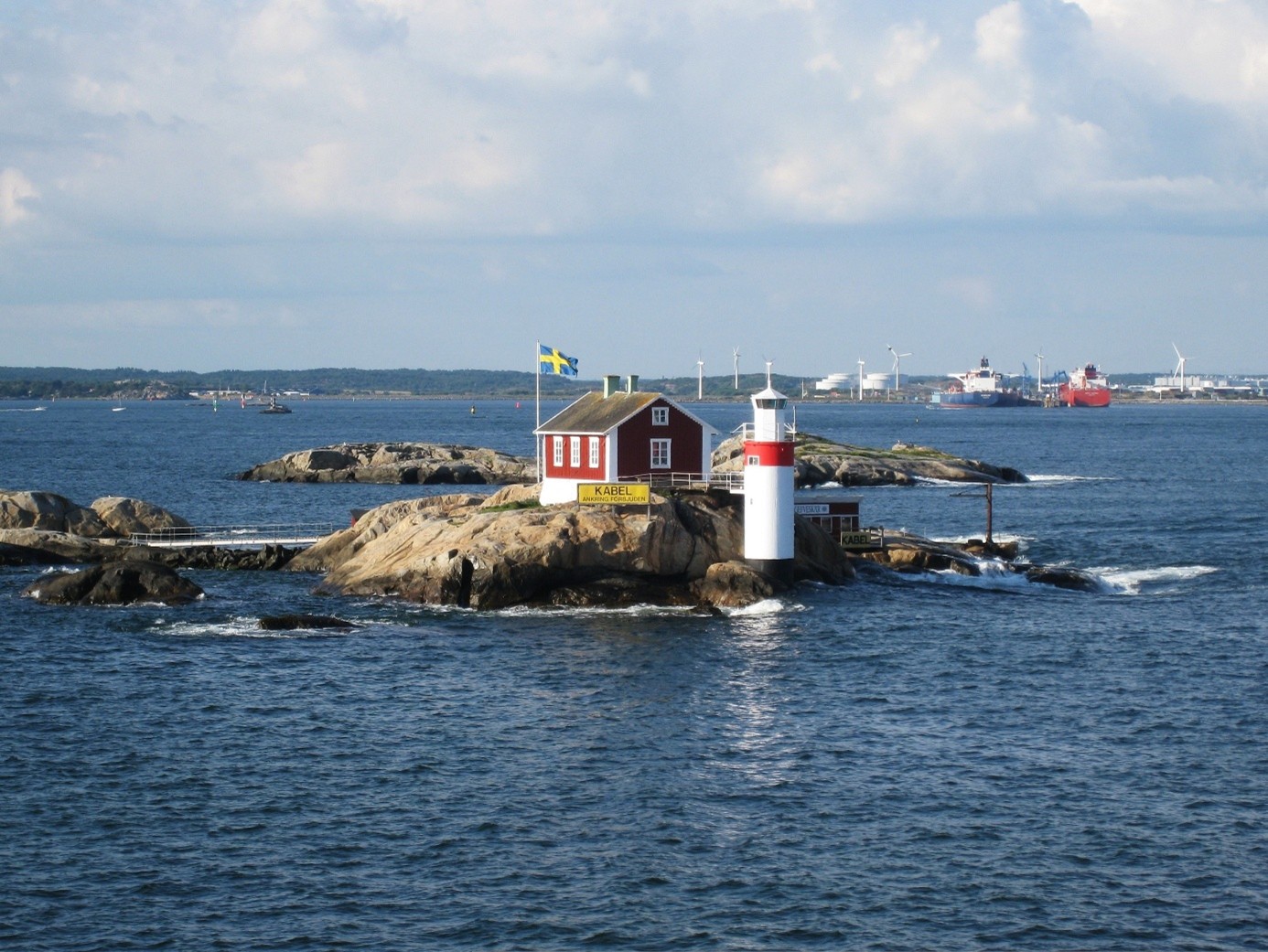
Sweden has a large number of islands, particularly along the Baltic Sea and west coast. While many of these islands are popular during the summer season, some have relatively small permanent populations. This has led municipalities and regional actors to test initiatives that encourage people to experience island life and potentially consider relocation.
One example is the concept of temporary relocation programmes, where selected participants are invited to stay on islands for a limited period. These initiatives are typically organised at the local level rather than as a single national programme. The aim is to highlight the potential of remote living and create connections between newcomers and local communities.
A key factor behind these initiatives is the growth of remote work. As more people are able to work digitally, it has become easier to live outside major cities. Island communities can offer a different lifestyle, combining natural surroundings with opportunities for flexible work.
In addition to lifestyle aspects, these programmes support local economic development. New residents or temporary visitors may contribute to local businesses, services, and community activities. In some cases, organisers provide accommodation, workspaces, or support in connecting participants with local networks.
At the same time, island living involves practical challenges. These include limited transport connections, access to services such as healthcare and education, and seasonal variations in population. Weather conditions and infrastructure can also influence daily life.
Overall, Sweden’s island living initiatives reflect changing patterns in work and mobility. While still relatively limited in scale, they demonstrate how rural and coastal areas are adapting to new opportunities and challenges in attracting residents.