



While the world closely follows the military and humanitarian dimensions of Russia’s invasion of Ukraine, another crisis continues to unfold with far less international attention: the destruction of Ukraine’s environment.
The war has transformed large parts of Europe’s largest country into an ecological disaster zone. Forests have burned, rivers have been contaminated, wildlife habitats have been destroyed, and millions of hectares of land remain polluted by mines, fuel residues, and military debris. Environmental experts increasingly warn that the consequences could last for generations. According to Ukrainian and international assessments, environmental damage caused by the war has already reached tens of billions of euros. More than 9,000 documented incidents of environmental harm have been recorded since the full-scale invasion began. Recent estimates place total environmental losses at over €100 billion.
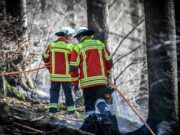
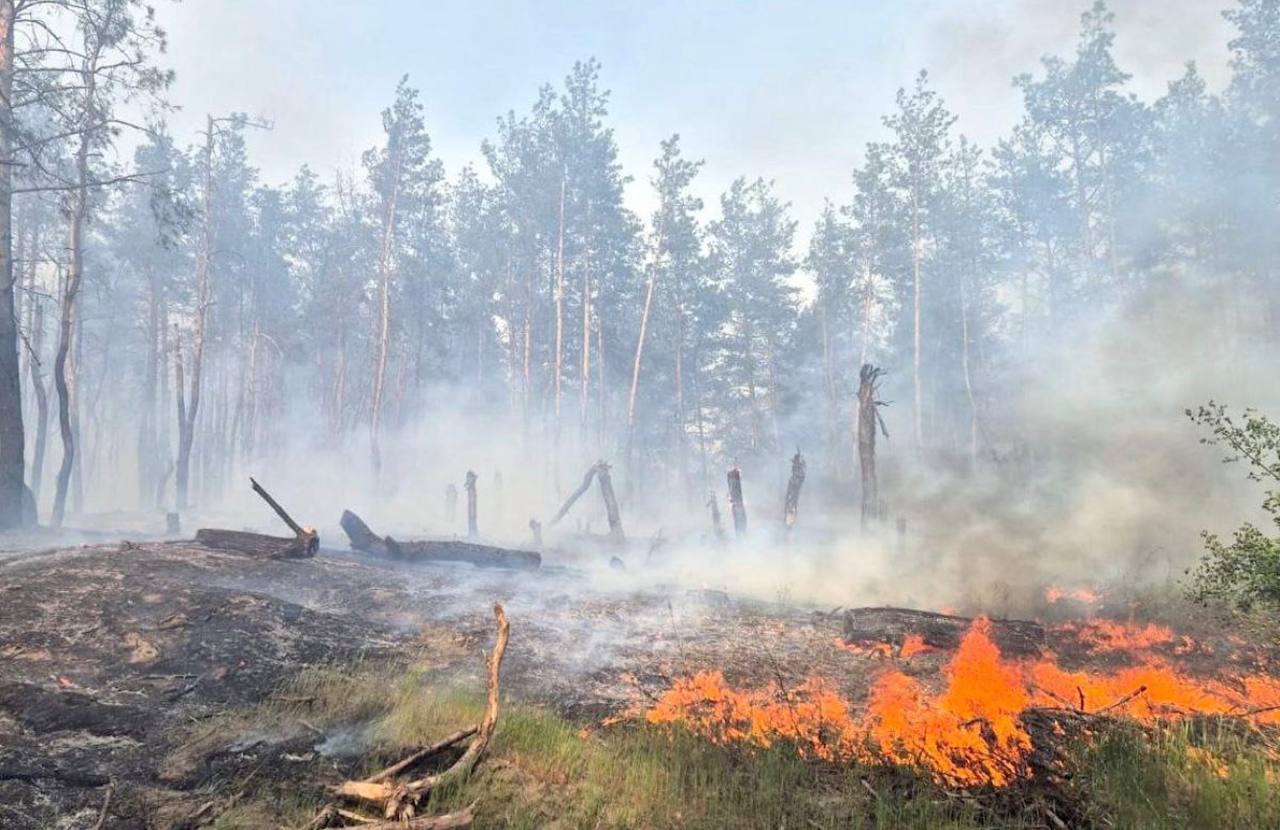
One of the most visible impacts is the destruction of forests. Wildfires triggered by shelling and missile strikes have devastated vast woodland areas across eastern and southern Ukraine. These forests once acted as carbon sinks, biodiversity hotspots, and natural barriers against soil erosion. Their loss accelerates climate-related risks not only for Ukraine but also for the wider European region.
Water resources have also suffered severe damage. The destruction of industrial facilities, fuel depots, and hydraulic infrastructure has released pollutants into rivers and groundwater systems. The collapse of water management networks has affected ecosystems and communities alike, threatening drinking water supplies and agricultural productivity.
The war’s impact extends beneath the surface. Large areas of agricultural land are contaminated by unexploded ordnance, heavy metals, and chemical residues. Ukraine, often described as one of the world’s breadbaskets, now faces the challenge of restoring soils that support both national and global food security. Scientists warn that environmental degradation could reduce agricultural productivity long after the fighting ends.
Wildlife has become another silent victim. Many protected areas and migration corridors have been disrupted by combat operations. Species that once thrived in wetlands, forests, and steppe ecosystems are increasingly threatened by habitat fragmentation, pollution, and human displacement. Environmental organizations describe some affected regions as ecological “dead zones” where recovery may take decades.
What makes this crisis unique is its scale. Environmental destruction in Ukraine is not merely a local issue; it is a European and global challenge. Air pollution, biodiversity loss, and disruptions to agricultural production cross national borders. The environmental cost of war ultimately becomes a shared burden for the international community.
As discussions about Ukraine’s reconstruction continue, environmental restoration must become a central pillar of recovery efforts. Rebuilding roads, homes, and factories is essential, but restoring ecosystems is equally important. Without long-term investment in environmental recovery, the true cost of the war will remain unpaid.
The story of Ukraine is therefore not only a story of military resistance. It is also a story of nature under attack — and of a nation that will face one of the largest environmental restoration projects in modern European history.
Location
Kiev