



Sustainable food projects are becoming increasingly visible across Sweden as organisations, communities, businesses, and public institutions explore ways to reduce environmental impact within food systems. These initiatives often focus on local production, food waste reduction, sustainable agriculture, and responsible consumption.
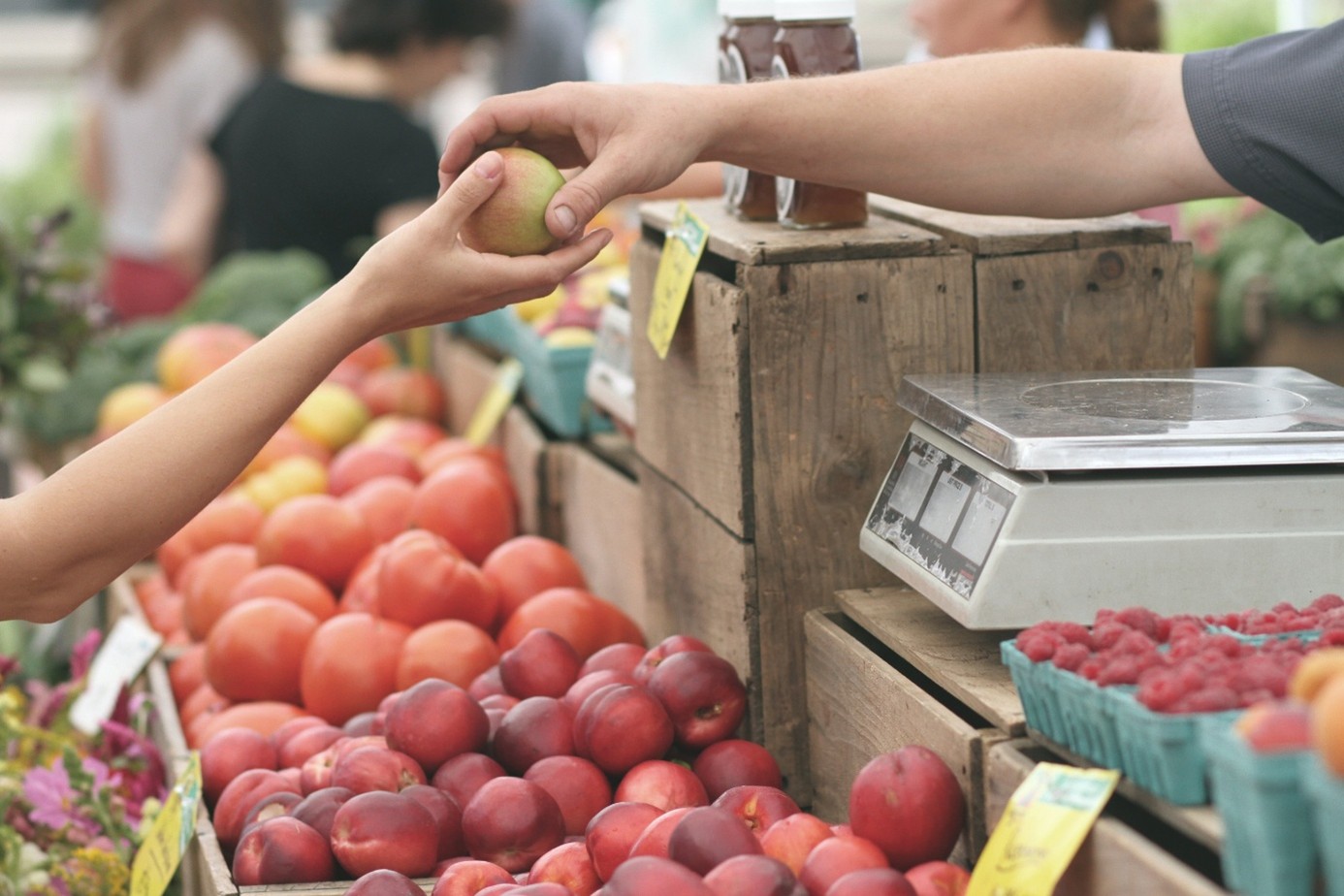
One important area is the promotion of locally produced food. Farmers’ markets, local food networks, and small-scale producers are increasingly connected to sustainability discussions related to transport, seasonal products, and regional economies.
Food waste reduction is another major focus. Restaurants, schools, retailers, and community organizations are exploring ways to reduce unnecessary food disposal through redistribution systems, awareness campaigns, and improved food management practices.
Educational initiatives also play a role in sustainable food projects. Workshops, public events, and school programs may address topics such as nutrition, environmental impact, food production, and sustainable consumption habits.
Some projects are connected to broader discussions about alternative and sustainable food production methods, including organic farming, regenerative agriculture, and resource-efficient food systems.
At the same time, sustainable food initiatives may face challenges related to costs, consumer behaviour, distribution systems, and balancing environmental goals with affordability and accessibility.
Overall, sustainable food projects across Sweden reflect growing interest in environmental responsibility, local production, and food awareness. These initiatives contribute to broader discussions about how food systems may become more sustainable in the future.