





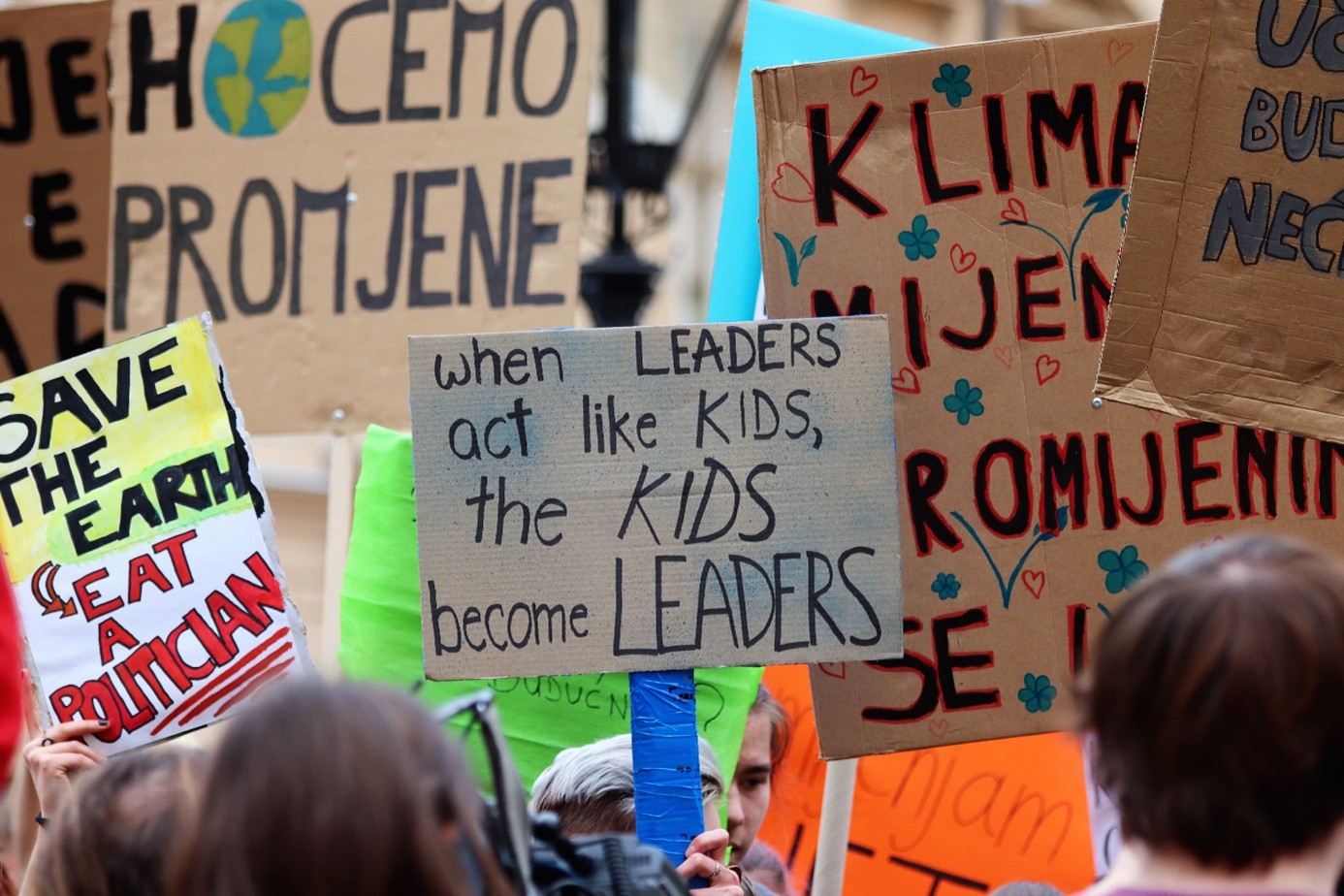
Young people have become an increasingly visible part of climate discussions in Sweden. Through school initiatives, awareness campaigns, community projects, and public engagement, many young people are contributing to conversations about sustainability and environmental responsibility.
Youth climate activism takes many different forms. While public demonstrations have attracted attention in recent years, young people also participate through educational activities, volunteer projects, digital campaigns, and local sustainability initiatives.
Schools and universities often provide opportunities for students to explore climate-related topics through debates, project work, student organisations, and extracurricular activities. These settings can encourage critical thinking and civic engagement while helping young people understand the complexities of climate change.
Digital platforms also play an important role in youth activism. Social media channels are frequently used to share information, organise events, promote campaigns, and connect with like-minded individuals both locally and internationally.
Youth participation can influence public conversations by bringing attention to issues such as intergenerational responsibility, environmental justice, and the long-term consequences of climate change. Young people often emphasise the importance of including future perspectives in sustainability discussions.
At the same time, youth climate activism may involve challenges. Young people may encounter differing opinions, concerns about the effectiveness of activism, or difficulties balancing engagement with educational and personal commitments.
Overall, youth climate activism in Sweden reflects broader interest among younger generations in environmental issues and democratic participation. Through education, advocacy, and community involvement, young people continue to contribute to discussions about sustainable futures.