





The term ‘Green Power Summit’ is used here to refer to ongoing energy-focused conferences and discussions in Sweden. Sweden continues to position itself as a leader in the transition towards a low-carbon energy system. Events and discussions focused on energy, including conferences often referred to as green power summits, bring together policymakers, industry representatives, and researchers to address challenges and opportunities linked to the energy transition.
A central issue in these discussions is the expansion of renewable energy production. Sweden already relies heavily on hydropower and nuclear energy, while wind power has grown significantly in recent years. According to national energy data, wind energy has become one of the fastest-growing sources of electricity in the country, contributing to a more diversified energy mix.
Another key topic is electrification of industry and transport. Swedish initiatives such as the HYBRIT project, developed by SSAB, LKAB, and Vattenfall, aim to produce fossil-free steel using hydrogen. At the same time, companies like Volvo Group are investing in electric vehicles and transport solutions.
The rapid growth of electricity demand has also raised questions about grid capacity and infrastructure. As more sectors shift from fossil fuels to electricity, ensuring a stable and efficient energy system has become increasingly important. Investments in grid expansion and energy storage are therefore key topics in current energy discussions.
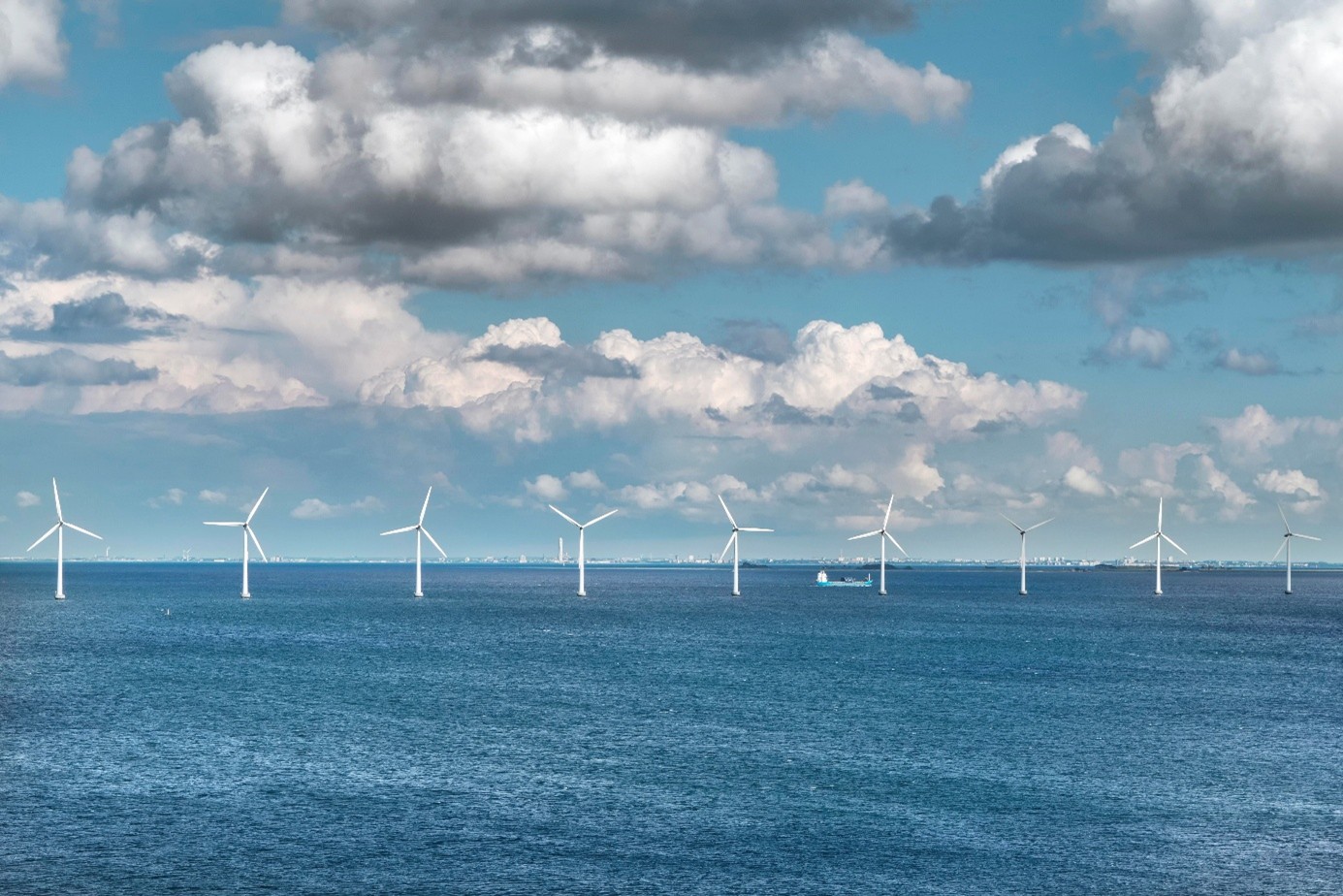
Another area of focus is the development of offshore wind energy and other emerging technologies. Sweden has plans to expand offshore wind capacity in the coming years, although projects often involve regulatory and environmental considerations. These developments are closely linked to broader European efforts to increase renewable energy production.
Collaboration between public authorities, energy companies, and research institutions is a recurring theme in discussions about the energy transition. Large-scale changes in the energy system require coordinated action, long-term investment, and technological innovation.
At the same time, the transition presents challenges, including rising energy demand, regulatory complexity, and the need to balance environmental concerns with infrastructure development. Addressing these issues is essential to ensure a reliable and sustainable energy supply.
Overall, discussions associated with Sweden’s green power initiatives highlight the importance of renewable energy, electrification, and system integration. These elements are central to the country’s ongoing efforts to achieve climate goals and build a more sustainable energy system.